

News
Why Iron Man’s Legacy Still Defines The MCU
Iron Man legacy is still one of the strongest forces inside the Marvel Cinematic Universe. Tony Stark’s story ended in Avengers: Endgame, but the MCU still lives in the shadow of his choices, his technology and his sacrifice.
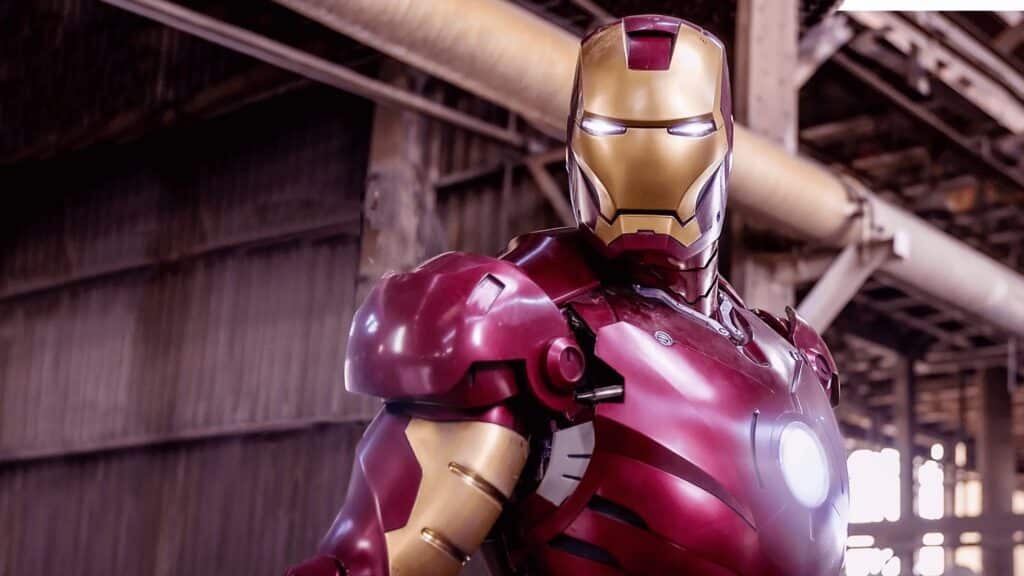
That is why Iron Man remains so important even without appearing as an active hero. His influence can still be felt in Spider-Man’s journey, the Avengers’ future, the way Marvel uses technology and the emotional gap left after Endgame.
The scale of that legacy is not only emotional. Avengers: Endgame became one of the biggest films in box office history, and Tony Stark’s final sacrifice was one of the main reasons audiences connected so strongly with that ending.
Now the MCU is entering another major transition. Robert Downey Jr. has been announced in a new role as Doctor Doom, which makes Iron Man’s legacy even more complicated. Fans are no longer only asking what Tony Stark meant to the MCU. They are also asking how Marvel can move forward when the actor most connected to Iron Man returns as one of its greatest villains.
That tension makes this topic important. Iron Man is gone, but the MCU still uses his memory as a measuring stick. Every new Avengers story, every armored hero and every discussion about Marvel’s future eventually comes back to Tony Stark.
Table of Contents
- Why Iron Man’s legacy still matters to the MCU
- How Tony Stark still shapes Marvel after Endgame
- Why Iron Man’s sacrifice changed the Avengers forever
- How Stark technology still influences the MCU
- Why Spider-Man is still connected to Iron Man’s legacy
- Why Iron Man armor remains one of Marvel’s strongest symbols
- Robert Downey Jr., Doctor Doom and the risk of nostalgia
- How Iron Man’s legacy connects to Doomsday and Secret Wars
- Can the MCU survive without Iron Man?
- What Marvel must avoid with Iron Man’s legacy
- Final thoughts
- FAQ about Iron Man’s legacy
Why Iron Man’s Legacy Still Matters To The MCU
Iron Man’s legacy still matters because Tony Stark was the character who taught audiences how to trust the MCU. The first Iron Man movie did more than introduce a hero. It introduced a tone, a personality and a promise that Marvel could build something larger.
Tony Stark was not a perfect hero. That was the point. He was arrogant, brilliant, funny, damaged and often reckless. His flaws made him interesting, but his growth made him unforgettable.
Tony Stark made the MCU feel personal
The MCU became massive, but Iron Man made it feel personal from the beginning. His story was not only about flying armor. It was about guilt, responsibility and learning that intelligence means nothing without sacrifice.
That emotional foundation still matters today. When fans think about the MCU’s strongest moments, many of them return to Tony Stark. His first suit, his relationship with Pepper Potts, his bond with Peter Parker and his final choice in Endgame all shaped how audiences understood Marvel’s world.
That is why the best Marvel movies of all time are often judged against the emotional standard created by the Iron Man era. Viewers still want Marvel stories to feel connected, character-driven and meaningful.
Iron Man also gave Marvel one of its strongest visual languages. His armor became a symbol of invention, protection and personal evolution. That is why fans still connect with pieces like the Avengers Endgame Iron Man electronic helmet, because the helmet represents more than a costume. It represents the hero who started the entire cinematic journey.
How Tony Stark Still Shapes Marvel After Endgame
Tony Stark still shapes Marvel after Endgame because his absence created a hole the MCU has never fully filled. The Avengers lost more than a teammate. They lost a strategist, inventor and emotional center.
That absence affects the way newer stories feel. The MCU now has many heroes, but it does not have one figure who plays the same role Tony once did.
The Avengers are still living with his absence
The Avengers after Tony Stark are not the same team. Steve Rogers is gone from active duty. Natasha Romanoff is gone. Thor has changed. Bruce Banner has moved into a different phase of his life. The original structure no longer exists.
That is why the next Avengers movies feel so important. They need to prove that the team can still matter without the two figures who defined its first era: Tony Stark and Steve Rogers.
That transition is especially relevant now that Avengers: Doomsday and Avengers: Secret Wars have been positioned as the next major Avengers events. These films cannot simply repeat the past. They need to show what the Avengers mean after Iron Man.
The challenge is emotional. A new team can fight a new villain, but audiences need a reason to care. Tony gave the MCU that kind of emotional anchor for years.
Iron Man’s shadow still follows new heroes
New Marvel heroes often exist in relation to Tony’s legacy, even when he is not mentioned directly. His technology changed the world. His sacrifice saved reality. His mistakes also created consequences for others.
That makes Iron Man’s legacy complicated. Tony did great things, but he also left behind weapons, systems and expectations that other heroes must now face.
This complexity keeps him relevant. A legacy is not only about honor. It is also about consequences.
Marvel’s future will need to decide whether Tony Stark remains a guiding symbol or becomes a shadow that new heroes must finally step beyond. That question gives the next MCU era more emotional weight.
Why Iron Man’s Sacrifice Changed The Avengers Forever
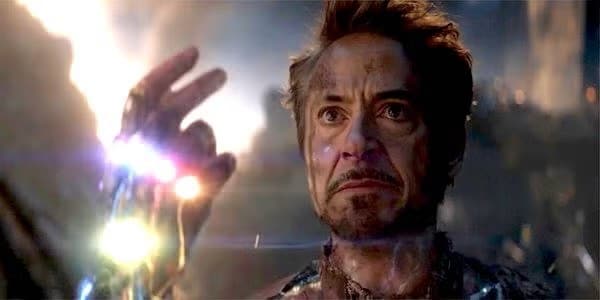
Iron Man’s sacrifice changed the Avengers forever because it gave the Infinity Saga its emotional ending. Tony Stark did not win by building the biggest suit. He won by making the one choice his younger self could never have made.
He gave everything.
The ending worked because Tony changed
The power of Tony’s final moment comes from his growth. The man who once built weapons for profit became the hero willing to give his life for everyone else.
That arc is why his death still matters. It was not a random dramatic ending. It completed the character’s journey.
Endgame worked because the audience had followed Tony for years. His final choice felt earned. That is also why Marvel cannot easily replace him with another genius in armor.
The armor was never the whole point. The person inside it was.
Still, the armor remains one of the most recognizable parts of Marvel history. Items like the LEGO Marvel Iron Man Nano Gauntlet connect directly to the memory of Tony’s final battle, while the Marvel Avengers Endgame I Am Iron Man T-Shirt keeps one of the MCU’s most emotional lines alive for fans.
The Avengers need a new emotional center
The next Avengers era must answer a difficult question. Who carries the emotional weight now?
Sam Wilson can represent responsibility. Spider-Man can represent humanity and sacrifice. Doctor Strange can represent cosmic pressure. The Fantastic Four can represent discovery and family. But none of them should simply become “the new Tony Stark.”
That would be a mistake. Iron Man’s legacy should inspire the future, not trap it.
If Marvel understands that difference, the MCU can keep Tony Stark’s memory alive while still building something new.
How Stark Technology Still Influences The MCU
Stark technology still influences the MCU because Tony Stark changed the way Marvel tells stories about power. Before Iron Man, advanced technology was usually a tool. After Tony, it became personal. Every suit, system and invention carried part of his personality.
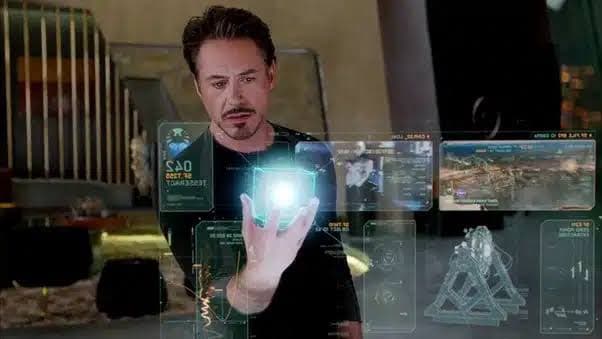
That is why Iron Man’s legacy is not limited to one hero. Stark technology reshaped the Avengers, influenced Spider-Man and created a standard that later Marvel stories still have to confront.
Technology became part of Tony’s character arc
Tony Stark did not build armor only because it looked impressive. He built it because he was afraid, guilty and constantly trying to stay ahead of the next disaster.
That made his technology emotional. Every suit reflected a different stage of his life. The earliest armor was survival. Later suits became protection. By the time the nanotech armor appeared, the suit had become almost inseparable from Tony’s identity.
This is why Iron Man’s armor still matters so much to fans. It was not only a superhero costume. It was a visible record of Tony’s growth.
The MCU used that idea better than most franchises. Technology did not replace character. It revealed character. That is why items like the Avengers Endgame Iron Man electronic helmet still feel connected to the larger story. The helmet represents Tony’s final era, not just a piece of armor.
Stark inventions created both heroes and problems
Another reason Stark technology still defines the MCU is that it created consequences. Tony’s inventions saved the world, but they also caused problems that other characters had to face.
That is part of what made him interesting. Tony was brilliant, but his brilliance could be dangerous. His fear often pushed him to build first and ask questions later.
Ultron is the clearest example. Tony wanted to protect the world, but his solution created a new threat. That mistake changed the Avengers and made his later sacrifice feel even more meaningful.
The same pattern can continue after his death. Stark technology may still exist in hidden labs, old systems, damaged suits or recovered weapons. Even without Tony alive, his inventions can shape future conflicts.
This is why the correct Marvel movies watch order remains useful for fans who want to understand the full arc. Tony’s technology is not a single detail. It is a thread that runs through the entire MCU.
Armor still defines Marvel’s visual language
Iron Man also changed the visual language of Marvel movies. His suits made technology feel heroic, emotional and iconic at the same time.
That matters now because the MCU is moving toward characters like Doctor Doom, who also uses armor but represents a completely different idea. Tony’s suit was connected to redemption. Doom’s armor should feel connected to control.
That contrast can make the next era more interesting. The audience already understands that armor can carry meaning because Iron Man proved it for more than a decade.
Other Stark-related pieces also keep that visual legacy alive. The LEGO Marvel Iron Man MK4 Bust connects to an earlier phase of Tony’s evolution, while the Iron Man helmet stand base reflects how strongly the helmet itself has become a display symbol for MCU fans.
Why Spider-Man Is Still Connected To Iron Man’s Legacy
Spider-Man is one of the clearest examples of Iron Man’s legacy continuing after Endgame. Tony Stark did not only give Peter Parker advanced technology. He gave him belief, pressure and a model of what heroism could become.
The relationship between Tony and Peter worked because it was emotional. Tony saw potential in Peter, but he also saw danger. Peter wanted to prove himself, but he also needed guidance.
Tony Stark shaped Peter Parker’s MCU journey
Peter Parker’s MCU story began under the shadow of the Avengers. Tony recruited him, tested him and gave him tools far beyond what a young hero from Queens would normally have.
That connection made Peter’s journey exciting, but it also created a problem. For years, fans debated whether MCU Spider-Man was too dependent on Iron Man.
That debate became part of the character’s evolution. Peter had to learn that being Spider-Man was not about Stark suits, drones or high-tech support. It was about responsibility.
That is why Spider-Man: No Way Home was so important. By the end, Peter was alone again. The world had forgotten him. The advanced support system was gone. The character moved closer to the classic Spider-Man idea: a young hero with very little, still choosing to help.
This is also why Spider-Man: Brand New Day details matter for the future of the MCU. If Peter’s next story continues that grounded direction, it may show how he finally steps beyond Tony Stark’s shadow while still carrying the lesson Tony left behind.
Spider-Man can honor Tony without copying him
The best future for Spider-Man is not to become another Iron Man. Peter should not inherit Tony’s role in a literal way. He should inherit the emotional lesson instead.
Tony learned that heroism required sacrifice. Peter already understands that deeply. His own story is built around loss, responsibility and continuing even when nobody remembers what he gave up.
That makes Peter one of the strongest emotional links to Iron Man’s legacy. He does not need Stark technology to prove that connection. He only needs to keep choosing responsibility when it costs him something.
Spider-Man’s visual identity also stands apart from Iron Man’s. Tony’s armor represents invention and protection. Peter’s mask represents anonymity and sacrifice. That contrast is why a Spider-Man No Way Home Andrew Garfield mask or a Spider-Man Compression Gym T-Shirt connects with a different kind of fan emotion than Iron Man armor does.
The MCU needs Peter to become independent
The next MCU era needs Spider-Man to stand on his own. That does not mean forgetting Tony Stark. It means letting Peter become fully defined by his own choices.
This is important because the MCU cannot keep using Tony as the answer to every emotional problem. His legacy should remain powerful, but new heroes must create their own meaning.
Peter Parker can do that better than almost anyone. He understands the cost of heroism. He has already lost mentors, family and public identity. If Marvel handles him carefully, he can become one of the emotional anchors of the next era without simply replacing Iron Man.
Why Iron Man Armor Remains One Of Marvel’s Strongest Symbols
Iron Man armor remains one of Marvel’s strongest symbols because it tells a complete story without needing explanation. The helmet, arc reactor and red-and-gold design instantly remind fans of Tony Stark’s journey.
That kind of recognition is rare. Many superheroes have iconic costumes, but Iron Man’s armor evolved constantly. Each suit felt like a new chapter.
The armor changed with Tony
Early Iron Man armor felt heavy, mechanical and imperfect. It showed a man building his way out of danger. Later suits became faster, cleaner and more advanced. By the final Avengers films, the armor felt almost futuristic enough to match the scale of the threat.
That evolution mirrored Tony himself. He started as a man trying to survive his own mistakes. He became a hero willing to face cosmic danger. Finally, he became the person who gave everything to save the people he loved.
This is why the armor still has emotional power. It is not only technology. It is character development in visual form.
The Mark 50 Iron Man helmet represents a later, more advanced phase of that journey, while the Avengers Endgame Iron Man electronic helmet is tied more directly to the final chapter of Tony’s MCU story.
Iron Man collectibles keep the legacy visible
Fans continue to connect with Iron Man because the character’s symbols are easy to recognize and emotionally loaded. A helmet on a shelf can remind someone of the first MCU movie, the Avengers era or Tony’s final sacrifice.
That is why Iron Man products often feel different from simple merchandise. They represent memory. They let fans hold onto a character who is no longer active in the story but still defines the universe around him.
The same is true for display-focused pieces like the LEGO Marvel Iron Man Nano Gauntlet. It connects directly to one of the most important moments in Endgame, where Tony’s intelligence, technology and willingness to sacrifice all came together.
That is why Iron Man’s legacy still feels alive. The character may be gone, but the symbols remain everywhere.
Marvel must use those symbols carefully
Because Iron Man’s symbols are so powerful, Marvel has to use them with care. Too much nostalgia can weaken the emotional impact. A reference should mean something. A callback should move the story forward.
If the next Avengers films use Tony’s memory, they should do it to deepen the story, not to create a cheap reaction. The audience already knows Iron Man mattered. What they need now is a reason to believe the future matters too.
That is the challenge facing the MCU. Tony Stark built the foundation. The next heroes must prove they can build beyond it.
Robert Downey Jr., Doctor Doom And The Risk Of Nostalgia
Robert Downey Jr. returning to the MCU as Doctor Doom makes Iron Man’s legacy even more complicated. For many fans, Downey is not just another Marvel actor. He is the face of the franchise’s first era.
That creates excitement, but it also creates risk. If audiences look at Doctor Doom and only see Tony Stark, the new villain will not work. Marvel needs to make Doom feel completely separate from Iron Man.
The return must not weaken Tony Stark’s ending
Tony Stark’s ending in Avengers: Endgame worked because it felt final. His sacrifice completed the character’s emotional journey. Bringing Robert Downey Jr. back to the MCU should not make that ending feel less important.
The key is separation. Doctor Doom should not feel like a Tony Stark variant created only for shock value. He needs his own identity, his own voice and his own moral darkness.
That is why the announcement that Robert Downey Jr. will play Doctor Doom matters so much. It is not only casting news. It is a test of whether Marvel can use nostalgia without becoming trapped by it.
If Doom feels like a real character, the choice could become brilliant. If he feels like a gimmick, it could hurt both Doctor Doom and Iron Man’s legacy.
Doom should be the opposite of Tony Stark
Tony Stark used humor, insecurity and charm to hide his fear. Doctor Doom should feel colder. He should speak with control. He should make every room feel less safe.
Iron Man’s armor represented growth. Doom’s armor should represent authority. Tony built suits because he was trying to become better. Doom should wear armor because he believes he is already above others.
That contrast can make the casting work. The audience already understands what armor meant for Tony. Now Marvel can show what armor means when it belongs to someone who wants power instead of redemption.
That difference also gives Iron Man’s legacy more weight. Tony’s symbols, from the Avengers Endgame Iron Man electronic helmet to the arc reactor, still represent sacrifice. Doom’s image should represent control.
How Iron Man’s Legacy Connects To Doomsday And Secret Wars
Iron Man’s legacy connects naturally to Avengers: Doomsday and Secret Wars because both movies must answer the same question: what happens to the MCU after its original heroes are gone?
The Avengers no longer have Tony Stark leading the technological side of the team. They no longer have Steve Rogers as their moral center. That makes the next major crisis more dangerous.
Doomsday can expose the gap Tony left behind
Avengers: Doomsday can show how much the Avengers still miss Tony. A villain like Doctor Doom can attack the team intellectually, politically and emotionally. That is exactly the kind of threat Tony would have tried to understand before everyone else.
Without him, the Avengers may feel slower, less prepared and less unified. That weakness can make the story stronger. A team that has lost its old center must either evolve or break.
That is why Avengers: Doomsday everything we know is so closely connected to Iron Man’s legacy. The movie is not only about a new villain. It is also about whether the Avengers can survive without the man who helped build them.
The updated release path for Avengers: Doomsday and Avengers: Secret Wars makes that question even bigger, because Marvel is clearly positioning both films as the next major test for the franchise.
Secret Wars can redefine what Iron Man means
Secret Wars could make Iron Man’s legacy feel even larger. A multiverse event can bring back memories, symbols and consequences from many parts of Marvel history.
That does not mean Tony Stark needs to return. In fact, the story may be stronger if he does not. His absence can matter more than another appearance.
If the next heroes face a crisis without Tony, they must prove they learned from him. They need to show courage, intelligence and sacrifice without copying his exact role.
This is why Secret Wars explained matters for Iron Man fans too. A reset could change the MCU, but Tony’s influence should remain part of its emotional foundation.
Can The MCU Survive Without Iron Man?
The MCU can survive without Iron Man, but it cannot survive by pretending he never mattered. Tony Stark built too much of the franchise’s emotional identity for Marvel to ignore him completely.
At the same time, the MCU cannot depend on Iron Man forever. A universe that never grows beyond its first hero eventually becomes stuck.
The future needs new emotional anchors
The next era needs characters who can carry emotional weight in different ways. Spider-Man can bring sacrifice and humanity. Sam Wilson can bring responsibility. The Fantastic Four can bring family and discovery. The X-Men can bring fear, identity and survival.
None of them should become a direct replacement for Tony Stark. That would only make the MCU feel smaller. Instead, each character should carry a different part of what made Marvel work.
Peter Parker is especially important because his story is already tied to Tony’s influence. But Spider-Man: Brand New Day can help him become more independent, especially if the movie focuses on Peter rebuilding his life without Stark technology or Avengers support.
Iron Man’s legacy should inspire, not control
The healthiest future for the MCU is one where Iron Man’s legacy inspires new heroes without controlling every story. Tony should remain important, but not unavoidable.
That balance is difficult. Fans still love him. Marvel still benefits from his emotional power. But new stories need space to breathe.
Iron Man’s armor, sacrifice and influence can remain visible through symbols like the LEGO Marvel Iron Man Nano Gauntlet or the Marvel Avengers Endgame I Am Iron Man T-Shirt. Still, the next heroes must create moments that belong to them.
If Marvel understands that, the MCU can survive without Iron Man. More importantly, it can grow because of what he left behind.
What Marvel Must Avoid With Iron Man’s Legacy
Marvel must be careful with Iron Man legacy because Tony Stark remains one of the most beloved characters in the MCU. His memory is powerful, but that power can become a problem if the franchise uses it too often or too cheaply.
The biggest mistake would be turning Iron Man into constant nostalgia. A reference to Tony should feel meaningful. It should not exist only to make fans remember the past.
Marvel should not replace Tony Stark directly
The MCU does not need a new Tony Stark. It needs new heroes who can carry different emotional roles. Trying to create a direct replacement would only remind audiences that the original is gone.
That is why Spider-Man, Sam Wilson, Doctor Strange, the Fantastic Four and the future X-Men should not be forced into Tony’s exact position. Each one should bring something different to the MCU.
Tony Stark represented invention, guilt, ego and sacrifice. Peter Parker represents responsibility. Sam Wilson represents moral courage. The Fantastic Four can represent family and discovery. The X-Men can represent survival and identity.
That difference is healthy. It allows Marvel to honor Iron Man without freezing the MCU in the past.
Marvel should not overuse Stark technology
Another risk is overusing Stark technology as an easy solution. Tony’s inventions changed the MCU, but not every problem should be solved with old Stark systems, hidden suits or forgotten weapons.
That would make the universe feel smaller. It would also weaken the growth of new characters.
Stark technology can still appear when it has story value. It can create danger, memory or emotional tension. But it should not become a shortcut every time Marvel needs a plot device.
Iron Man’s symbols are strongest when they carry meaning. A product like the Avengers Endgame Iron Man electronic helmet works because it connects to Tony’s final era, while the LEGO Marvel Iron Man Nano Gauntlet reminds fans of the sacrifice that ended the Infinity Saga.
Final Thoughts
Iron Man’s legacy still defines the MCU because Tony Stark was more than the hero who started the franchise. He became the emotional standard Marvel is still trying to match.
His story had humor, pain, failure, growth and sacrifice. That mix made him unforgettable. It also made the MCU feel human, even when the stakes became cosmic.
Tony Stark should remain a foundation, not a limit
The future of Marvel cannot depend on Iron Man forever. But it should not ignore him either. Tony’s legacy should remain part of the foundation while new heroes build something different above it.
That balance will become even more important as Avengers: Doomsday everything we know and Secret Wars explained move the MCU toward a new era.
Doctor Doom, the Fantastic Four, Spider-Man and the X-Men can all help Marvel move forward. But the emotional memory of Tony Stark will still shape how audiences judge that future.
The MCU does not need Iron Man to return in order for his legacy to matter. His influence is already everywhere: in the Avengers, in Peter Parker, in the technology he left behind and in the expectations fans still bring to every major Marvel event.
If Marvel uses that legacy carefully, Iron Man can remain one of the MCU’s strongest symbols without holding the franchise back.
FAQ About Iron Man’s Legacy
Why does Iron Man’s legacy still matter in the MCU?
Iron Man’s legacy still matters because Tony Stark helped build the MCU’s emotional foundation through his growth, technology and final sacrifice.
Is Tony Stark still important after Avengers: Endgame?
Yes. Tony Stark is still important because his choices continue to affect Spider-Man, the Avengers and the future direction of the MCU.
Can the MCU survive without Iron Man?
Yes. The MCU can survive without Iron Man, but it needs new emotional anchors who can carry the franchise forward.
How is Spider-Man connected to Iron Man’s legacy?
Spider-Man is connected to Iron Man’s legacy because Tony Stark mentored Peter Parker and helped shape his early MCU journey.
Will Iron Man return in Avengers: Doomsday?
Marvel has not announced Tony Stark’s return. Robert Downey Jr. is returning to the MCU as Doctor Doom, not as Iron Man.
Why is Robert Downey Jr. playing Doctor Doom important?
It is important because Robert Downey Jr. is strongly associated with Iron Man, so Marvel must make Doctor Doom feel completely different.
What does Iron Man’s armor represent?
Iron Man’s armor represents invention, protection, guilt, growth and Tony Stark’s journey from selfish genius to selfless hero.
Could Doctor Doom replace Iron Man?
No. Doctor Doom should not replace Iron Man. He should represent the opposite idea: control, authority and domination instead of sacrifice.
Which heroes could carry the MCU after Iron Man?
Spider-Man, Sam Wilson, Doctor Strange, the Fantastic Four and the X-Men could all help carry the MCU in different ways.
What should Marvel avoid with Iron Man’s legacy?
Marvel should avoid cheap nostalgia, direct replacements for Tony Stark and overusing Stark technology as an easy solution.