

News
Why The X-Men Return In Avengers: Doomsday Could Change The MCU Forever
The X-Men return in Avengers: Doomsday could become one of the biggest turning points in the future of the MCU. For years, Marvel fans have waited to see mutants stand beside the Avengers, the Fantastic Four and the wider Marvel universe on the big screen. Now, that long-awaited collision finally feels closer than ever.
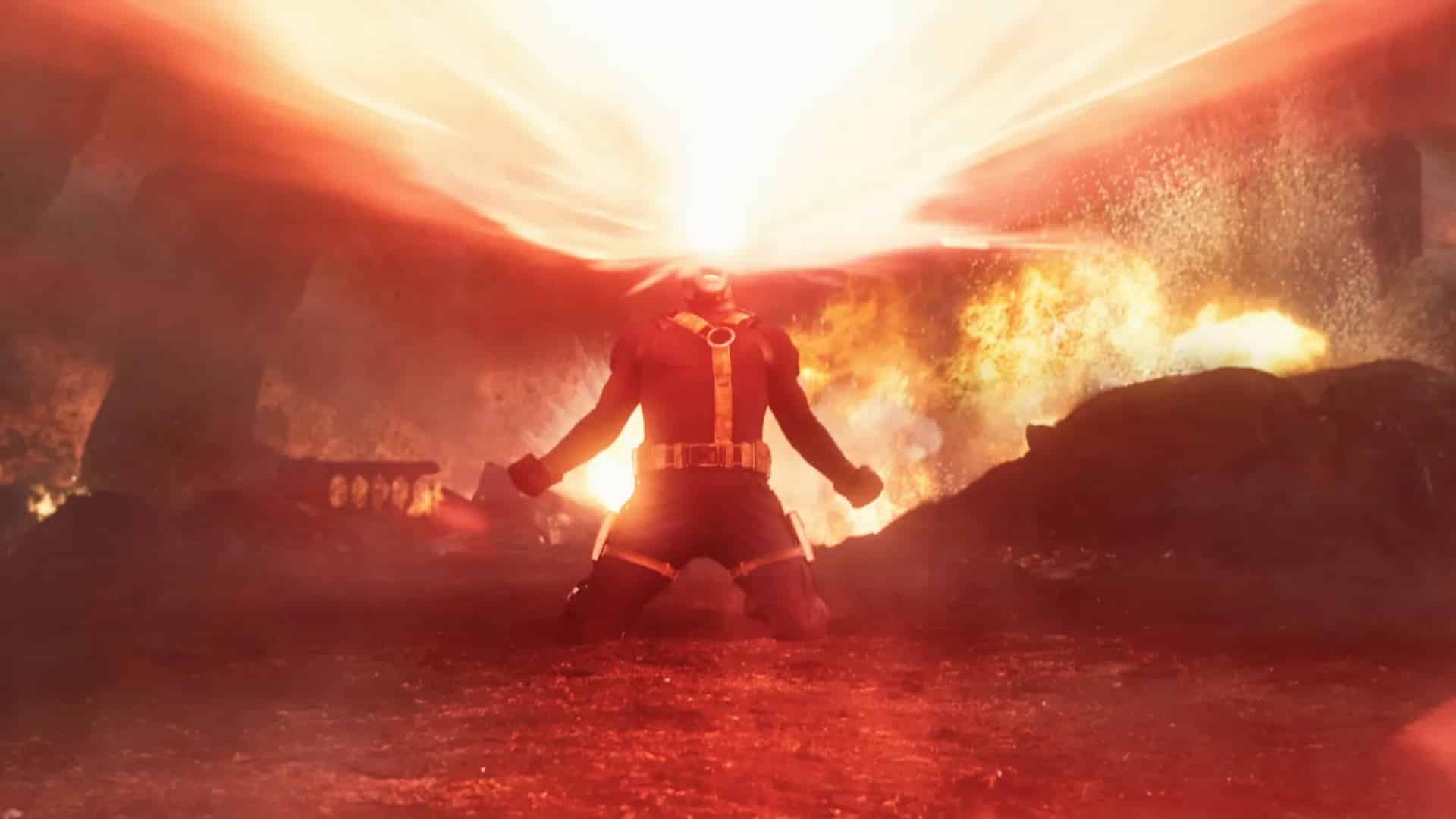
Avengers: Doomsday is already one of the most important upcoming superhero movies because it brings back Joe and Anthony Russo and introduces Robert Downey Jr. in a new role as Doctor Doom. But the X-Men connection makes the movie even more important. It does not simply add familiar faces. It gives Marvel a chance to connect different generations of superhero cinema inside one major event.
That is why the return of the X-Men matters so much. It could be more than nostalgia. It could become the bridge between the Fox-era mutant movies and the future MCU X-Men reboot. If Marvel handles this correctly, Avengers: Doomsday could make mutants feel essential to the next era of Marvel storytelling.
The X-Men have always carried a different kind of emotional weight. They are not just another superhero team. Their stories are often about fear, identity, prejudice, survival and the painful cost of being different. Bringing those themes into an Avengers movie could give the MCU a new kind of tension.
That tension is exactly what Marvel needs. The Avengers are usually public heroes. They save cities, planets and universes. The X-Men are often feared by the same world they protect. That contrast could make their arrival in Avengers: Doomsday feel powerful, especially if Doctor Doom becomes the kind of threat that forces every team to question what they are fighting for.
Table of Contents
- Why the X-Men return in Avengers: Doomsday matters
- Why the X-Men matter so much to Marvel fans
- Why Avengers: Doomsday is the perfect place for mutants
- The difference between a cameo and real X-Men storytelling
- How the Fox X-Men legacy can help the MCU
- Why Professor X and Magneto still matter
- Why Marvel must avoid empty fan service
- How Doctor Doom could connect Avengers, Fantastic Four and X-Men
- Why Secret Wars makes the X-Men return even bigger
- What this could mean for the future MCU X-Men reboot
- What Marvel must avoid with the X-Men return
- Final thoughts
- FAQ about the X-Men return in Avengers: Doomsday
Why The X-Men Return In Avengers: Doomsday Matters
The X-Men return in Avengers: Doomsday matters because mutants have always been one of the biggest missing pieces in the MCU. The Avengers became the center of Marvel Studios for more than a decade, but the X-Men built their own cinematic legacy before the MCU became the dominant force in superhero movies.
That history is important. The first X-Men movie helped shape modern superhero cinema. It introduced audiences to characters like Professor X, Magneto, Wolverine, Cyclops, Storm, Jean Grey and Mystique in a serious live-action format. Without that early success, the superhero movie landscape would look very different today.
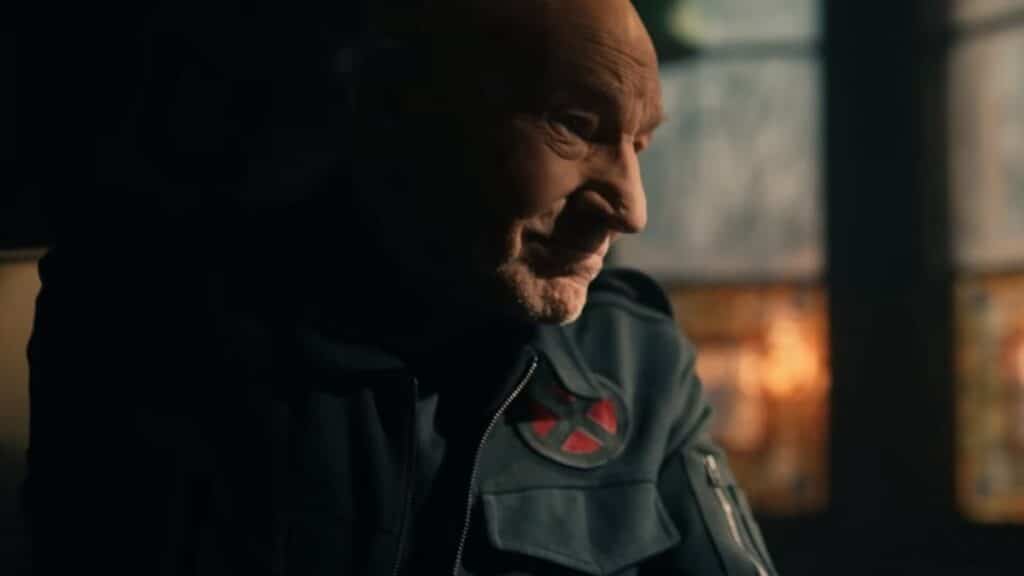
Now, Avengers: Doomsday has the chance to bring that legacy into the MCU in a more direct way. People has reported that Patrick Stewart and Ian McKellen are among the returning X-Men names connected to the film, alongside other actors from the earlier mutant movies. People
That kind of return creates immediate excitement. But it also creates pressure. Fans do not want the X-Men to appear only as quick references. They want mutants to matter. They want the emotional weight of their history to be respected.
This is where Avengers: Doomsday becomes critical. If the movie uses the X-Men only as a nostalgia trick, the moment may feel temporary. But if it uses them to explain how different universes, teams and ideologies collide, the return could become one of the most important MCU developments since Avengers: Endgame.
The X-Men also bring a different kind of visual identity to the MCU. Their suits, symbols and team dynamics are instantly recognizable. That matters because superhero stories are built not only through dialogue, but also through images fans remember. The same is true for other Marvel icons, from the Captain America shield replica to the armor legacy represented by an Iron Man helmet replica.
Why The X-Men Matter So Much To Marvel Fans
The X-Men matter because they represent something different from the Avengers. The Avengers are usually seen as public heroes. They are symbols of defense, sacrifice and global protection. The X-Men are different. They are often feared, rejected and misunderstood by the world they try to protect.
That theme gives mutant stories a special emotional weight. The X-Men are not only fighting villains. They are fighting prejudice, fear and the pressure of being born different. That makes them one of Marvel’s most powerful concepts.
This is why their arrival in an Avengers movie feels so important. The MCU already has gods, soldiers, scientists, sorcerers, aliens and street-level heroes. Mutants add a new social and emotional layer. They are not just another team. They are a new reality for the entire Marvel universe.
That also gives Marvel an opportunity to refresh its storytelling. Instead of relying only on multiverse spectacle, the studio can use mutants to bring back character-driven drama. A world that accepts the Avengers may not automatically accept the X-Men. That contrast can create strong conflict.
It also creates a stronger emotional reason for fans to care about the future of the MCU. Mutants are not only powerful. They are complicated. Their presence forces every other hero to ask difficult questions about safety, freedom and trust.
Why Avengers: Doomsday Is The Perfect Place For Mutants
Avengers: Doomsday is the perfect place for mutants because the movie is already built around massive change. Disney officially announced that Robert Downey Jr. would return in a new role as Doctor Doom and that Joe and Anthony Russo would direct the next Avengers films. The Walt Disney Company
That tells us something important. Marvel is not treating this as a normal sequel. The studio is trying to create another major cinematic event. Doctor Doom, the Russo Brothers and the X-Men together create a huge storytelling platform.
Mutants fit naturally into that platform because Avengers: Doomsday is expected to connect with the larger multiverse direction of the MCU. The X-Men can enter the narrative as people from another world, another timeline or another reality facing collapse. That gives Marvel a way to introduce them without forcing decades of mutant history into the main MCU all at once.
This approach also gives the movie emotional scale. If the Avengers are trying to protect their world, and the X-Men are trying to protect theirs, Doctor Doom can become a threat that forces both sides into the same crisis.
The Difference Between A Cameo And Real X-Men Storytelling
The biggest challenge for Avengers: Doomsday is simple: the X-Men return must feel like story, not decoration.
Modern audiences have already seen many surprise appearances in superhero movies. A cameo can create a loud reaction in theaters, but it does not automatically create lasting value. The moment must change the story or reveal something meaningful about the characters.
This is especially true with the X-Men. Professor X, Magneto and Cyclops are not just recognizable names. They carry decades of emotional and thematic weight. Professor X represents hope and coexistence. Magneto represents trauma, survival and distrust. Cyclops represents discipline, leadership and responsibility.
If Avengers: Doomsday uses those characters only for applause, the film will miss the point. But if it uses them to challenge the Avengers, question Doctor Doom’s power and show the cost of collapsing realities, then their return can become essential.
That is the key. The X-Men should not simply walk into the movie. They should change the movie.
The same is true for the way fans connect with Marvel stories outside the theater. Iconic teams and symbols create lasting interest because they represent identity, memory and emotion. That is why readers who follow major Marvel events often explore wider Marvel collectibles and replicas, especially when a new movie brings classic characters back into the spotlight.
If Marvel understands the difference between nostalgia and storytelling, the X-Men return in Avengers: Doomsday could be more than a viral moment. It could become the foundation for the next major era of the MCU.
How The Fox X-Men Legacy Can Help The MCU
The Fox X-Men legacy can help the MCU because it already carries years of emotional history. These characters are not arriving as strangers. Many viewers remember Professor X, Magneto, Cyclops, Storm, Jean Grey, Mystique and Wolverine from a separate era of superhero cinema. That history gives Avengers: Doomsday a stronger emotional foundation if Marvel uses it carefully.
The earlier X-Men films were not perfect, but they mattered. They helped prove that superhero movies could be serious, dramatic and character-driven. They also introduced mainstream audiences to the idea that Marvel stories could explore fear, discrimination, identity and power through a team of misunderstood heroes.
That legacy is useful because Avengers: Doomsday does not need to explain everything from the beginning. If familiar X-Men characters appear, the audience already understands that they come from a world with its own pain, conflicts and history. That makes their arrival feel heavier than a normal cameo.
This is especially important in a multiverse story. A multiverse event can easily become confusing if it focuses only on timelines, portals and alternate realities. But when the story brings back characters with emotional meaning, the multiverse feels less abstract. It becomes personal.
That is what the Fox X-Men can offer. They can represent a world that fans already know. If that world is threatened, changed or forced to collide with the Avengers, the stakes become easier to understand.
Variety reported that Avengers: Doomsday and Avengers: Secret Wars were moved to December 2026 and December 2027, showing how important these films are inside Marvel’s long-term release plan. Variety
That larger plan matters because the X-Men should not feel like a temporary trick. Their return should help Marvel build toward something bigger. It should help explain how the old mutant universe, the Avengers and the future MCU X-Men can all exist inside one evolving story.
The strongest version of this idea would not erase the past. It would honor it, then move forward. The Fox X-Men can act as a bridge, not a cage. They can give fans one final emotional connection to the earlier movies while opening the door to a new generation of mutants.
That bridge could also make the Avengers feel more important again. If Earth’s heroes are suddenly forced to deal with another universe of powerful, damaged and politically complicated characters, the MCU becomes larger in a meaningful way. It is not just bigger because more characters appear. It is bigger because different histories collide.
That kind of collision is exactly what Avengers: Doomsday needs. The movie has to feel like a major event, but it also needs emotional clarity. The X-Men legacy can help create both.
Why Professor X And Magneto Still Matter
Professor X and Magneto still matter because they represent the heart of the X-Men idea. They are not only powerful mutants. They are two opposing visions of survival.
Professor X believes in coexistence. He believes humans and mutants can live together if fear is replaced by understanding. Magneto believes that mutants will never be safe if they depend on human acceptance. His worldview is shaped by trauma, persecution and the belief that power is necessary for survival.
This contrast gives the X-Men their strongest dramatic tension. The Avengers often fight external threats. The X-Men often fight the fear inside society itself. That difference can make their role in Avengers: Doomsday feel unique.
If Professor X and Magneto appear in the film, they do not need endless screen time to matter. A few strong scenes could change the tone of the story. Professor X could bring moral weight. Magneto could bring suspicion and anger. Together, they could force the Avengers to confront a kind of conflict they are not used to solving.
People reported that Patrick Stewart and Ian McKellen are among the X-Men names connected to the cast of Avengers: Doomsday. That is one reason fan discussion around Professor X and Magneto has become so intense. People
Their return would also create a fascinating contrast with Doctor Doom. Doom is another character who believes he can impose order on a broken world. But unlike Professor X, he does not depend on trust. Unlike Magneto, his cause is not simply mutant survival. Doom believes in his own superiority.
That makes him dangerous around both men. Professor X may see Doom as a threat to free will. Magneto may understand Doom’s desire for control, while still refusing to submit to him. That tension could give Avengers: Doomsday much more depth than a simple heroes-versus-villain story.
This is also where the Avengers’ symbols become interesting. Captain America’s shield represents protection, responsibility and public trust. Magneto’s helmet represents resistance, fear and control. Doom’s armor represents authority and domination. These visual icons tell the audience what each character believes before they even speak.
That is why the wider Marvel legacy remains so powerful. Fans do not connect only with powers. They connect with symbols. A Captain America shield replica carries a very different meaning from an Iron Man MK42 helmet, and that contrast reflects the larger world Marvel has built over decades.
Why Marvel Must Avoid Empty Fan Service
The biggest danger with the X-Men return in Avengers: Doomsday is empty fan service. A familiar face can create a loud reaction, but that reaction does not last if the character has no purpose.
Modern audiences have already seen many surprise returns in superhero movies. Cameos are no longer enough by themselves. Fans now ask harder questions. Did the character change the story? Did the moment have emotional meaning? Did the return make the movie better, or was it only there for applause?
That is the test Marvel must pass with the X-Men.
Their return should not feel like a checklist. Professor X, Magneto, Cyclops, Storm or any other mutant should not appear only because fans recognize the name. Each character needs a function in the story.
Professor X can represent hope. Magneto can represent distrust. Cyclops can represent leadership under pressure. Storm can represent power, dignity and command. If Marvel gives each returning character a clear dramatic reason to exist, the X-Men can make Avengers: Doomsday stronger.
If not, the movie could feel overcrowded.
That is the risk with every major crossover. The bigger the cast becomes, the harder it is to protect the emotional center. Avengers: Infinity War worked because the story had clarity. Thanos was the central threat. Every hero’s storyline connected to that threat. Avengers: Doomsday needs similar discipline.
Doctor Doom must remain a clear force in the story. The Avengers must have a clear reason to fight. The X-Men must have a clear reason to enter the crisis. If those pieces are not connected, the movie could become a collection of exciting moments instead of a complete story.
The X-Men also need to keep their identity. They should not become background Avengers. Their value comes from being different. Their history, fear, conflict and emotional distance from the rest of the world should remain part of the movie.
This matters because fans want the X-Men to be respected, not just displayed. A strong return should remind audiences why mutants are one of Marvel’s greatest ideas. It should make viewers excited for the future, not only nostalgic for the past.
That is also why visual identity matters so much. The X-Men have always had strong team imagery, just like the Avengers have their own icons. Fans who love Marvel’s cinematic symbols often connect with pieces like a wearable Iron Man suit or an Iron Man MK7 arm replica, because these objects represent more than costume design. They represent legacy.
If Marvel avoids empty fan service, the X-Men return could become one of the strongest parts of Avengers: Doomsday. It could prove that nostalgia still works when it serves the story first.
How Doctor Doom Could Connect Avengers, Fantastic Four And X-Men
Doctor Doom could be the character who connects the Avengers, the Fantastic Four and the X-Men inside one major MCU crisis. That is why his role in Avengers: Doomsday feels so important. Doom is not just another villain with power. He is a ruler, a strategist, a scientist and a man who believes he can impose order on a broken world.
That belief makes him different from many previous MCU enemies. Doctor Doom does not need to see himself as evil. In many Marvel stories, he sees himself as the only person strong enough to do what others cannot. That makes him dangerous because his ambition can look like logic, at least to himself.
The Walt Disney Company officially announced Robert Downey Jr. as Doctor Doom and confirmed Joe and Anthony Russo for the next Avengers films. That announcement turned Avengers: Doomsday into one of Marvel’s biggest future events. The Walt Disney Company
Doctor Doom is also one of the few characters who can naturally touch every major side of Marvel. He belongs deeply to the Fantastic Four mythology. He can challenge the Avengers on a global scale. He can also become a threat to mutants if he sees them as a force that must be controlled, studied or absorbed into his larger plan.
This is where the X-Men become essential. Mutants bring fear, identity and survival into the story. The Avengers bring responsibility and public heroism. The Fantastic Four bring discovery, science and family. Doom can stand in the middle of all three worlds and test what each team believes.
Against the Avengers, Doom can ask whether public heroes are strong enough to protect reality. Against the Fantastic Four, he can become both personal enemy and intellectual rival. Against the X-Men, he can represent the danger of a powerful ruler deciding what happens to people who are already feared by society.
That creates stronger conflict than a simple battle. It gives Avengers: Doomsday the chance to become a movie about control, survival and the cost of saving a universe. If reality is collapsing, different heroes may disagree about what must be done. Doom can exploit those disagreements.
That is why he could work so well as the central villain. He does not only threaten the heroes physically. He can divide them morally. Professor X may believe in saving every possible life. Magneto may prioritize mutant survival above everything else. The Avengers may try to protect their own world. The Fantastic Four may search for a scientific solution. Doom may decide that only his rule can prevent total collapse.
Those competing views could make the movie feel more mature and more dramatic. A great crossover needs more than characters standing together in one frame. It needs reasons for them to clash, doubt each other and make painful choices.
Doom also brings a powerful visual identity. His armor, mask and royal presence make him instantly different from the Avengers and the X-Men. Marvel has always used symbols well, from the Iron Man MK42 helmet to the Captain America shield replica. Doom belongs in that same tradition of characters whose image tells the audience who they are before they speak.
Why Secret Wars Makes The X-Men Return Even Bigger
Avengers: Secret Wars makes the X-Men return even bigger because it gives Marvel a natural destination for the multiverse story. Avengers: Doomsday may introduce the collision, but Secret Wars could show the full consequence of that collision.
Variety reported that Avengers: Doomsday moved to December 18, 2026, while Avengers: Secret Wars moved to December 17, 2027. That places the two movies as connected chapters in Marvel’s future slate. Variety
This matters because Secret Wars is not a small idea. In Marvel Comics, the title has been connected to massive conflict, reality-shaking events and major changes to the Marvel universe. That kind of story gives the X-Men a reason to appear without feeling forced.
The biggest challenge with bringing mutants into the MCU is timing. If mutants have always existed in the main timeline, the audience may wonder why they were not central to earlier events. If they suddenly appear, the explanation needs to feel natural. A multiverse crisis gives Marvel a flexible way to solve that problem.
The X-Men can first enter the story through another reality, another timeline or a universe facing destruction. Then, after the events of Secret Wars, Marvel can reshape the MCU with mutants as a permanent part of the world. That would allow the studio to respect the old X-Men films while still building a new future.
This approach also gives emotional meaning to legacy characters. The returning Fox-era X-Men could represent the past. The next generation of MCU mutants could represent the future. Avengers: Doomsday can become the bridge between both eras.
That kind of bridge is important because fans do not want the X-Men to feel temporary. They want mutants to matter beyond one movie. They want their arrival to change the future of the MCU.
If Avengers: Doomsday uses the X-Men only for surprise reactions, the impact may fade. But if the film uses them to show what is at stake across different realities, then Secret Wars becomes much more powerful. The audience will not only watch universes collide. They will understand what each universe means.
The same emotional logic has always made Marvel symbols powerful. A hero’s costume, weapon or armor can carry years of meaning. That is why fans connect strongly with pieces like a wearable Iron Man suit or an Iron Man MK7 arm replica. These objects remind viewers of the larger legacy behind the characters.
What This Could Mean For The Future MCU X-Men Reboot
The X-Men return in Avengers: Doomsday could prepare the ground for the future MCU X-Men reboot. That may be the most important long-term result of the movie.
The returning actors can create excitement now, but Marvel cannot rely on legacy nostalgia forever. At some point, the MCU needs its own version of the X-Men. That means new casting, new relationships, new conflicts and a clear place for mutants inside the main Marvel timeline.
Avengers: Doomsday can make that transition easier. Instead of introducing the X-Men suddenly in a separate reboot, Marvel can use the Avengers event to show why mutants matter. The movie can teach the audience that the X-Men are not a side branch of Marvel. They are one of its central pillars.
That is important because the X-Men bring themes the MCU has not fully explored yet. Their stories are often about identity, fear, discrimination and survival. They are superhero stories, but they also carry social and emotional tension. That gives Marvel a different kind of drama from the Avengers or the Guardians of the Galaxy.
The reboot can also give Marvel a chance to rebalance the team. The earlier X-Men movies gave fans iconic performances, but some characters were used far more than others. A new MCU version can give more space to Cyclops, Storm, Jean Grey, Rogue, Beast, Gambit, Nightcrawler and other mutants.
Cyclops, in particular, could benefit from a fresh start. In the comics, he is one of the most important X-Men leaders. On screen, he has not always received the same weight. A future MCU reboot could make him central again, especially if Avengers: Doomsday reminds audiences why mutant leadership matters.
Storm could also become one of the most important figures in the next era. She brings power, dignity and command. Jean Grey brings emotional danger and cosmic potential. Rogue brings conflict, vulnerability and strength. Nightcrawler brings faith, kindness and visual energy. Together, these characters can give Marvel a team that feels different from the Avengers in every way.
That difference is the key. The X-Men should not become another Avengers-style team. They need their own tone, their own fears and their own emotional world. If Avengers: Doomsday introduces them correctly, the future reboot will feel earned instead of random.
A stronger mutant presence could also expand fan interest across the wider Marvel universe. The X-Men are built for debate. Fans argue about powers, leadership, morality, teams and timelines. That kind of engagement fits naturally with interactive content like Marvel quizzes, because mutant stories always invite fans to choose sides and test what they know.
If Marvel handles this transition well, the X-Men return in Avengers: Doomsday could do more than create excitement for one film. It could open the door to the next decade of MCU storytelling.
What Marvel Must Avoid With The X-Men Return
The X-Men return in Avengers: Doomsday can become a major turning point for the MCU, but Marvel must avoid one big mistake: treating mutants as simple nostalgia. The audience already knows these characters matter. The movie has to prove why they matter now.
The first risk is overcrowding. Avengers: Doomsday already has a huge creative challenge. It needs to handle the Avengers, Doctor Doom, the Fantastic Four and the wider multiverse story. Adding the X-Men makes the movie more exciting, but it also makes the structure more difficult.
If too many characters appear without enough purpose, the story could lose emotional focus. That would be dangerous. Fans do not only want to recognize faces. They want to feel something when those characters return.
The second risk is making the X-Men feel like background characters. Mutants should not simply stand behind the Avengers during a large battle. They need their own emotional reason to be part of the story. Their fear, history and survival should affect the plot.
The third risk is ignoring what makes the X-Men different. They are not just another superhero team. Their stories are built around identity, rejection and the pressure of being feared by society. If Marvel removes that tension, the X-Men lose much of their power.
This is why Doctor Doom can be so useful. He can force every team to reveal what it truly believes. The Avengers may want to save their world. The Fantastic Four may try to understand the crisis. The X-Men may fight to protect people who have always been treated as threats.
That conflict can give the film real weight. But only if Marvel lets the X-Men remain complicated.
Marvel should also avoid making the future reboot depend too heavily on legacy actors. Patrick Stewart, Ian McKellen and other returning names can create a powerful bridge, but the MCU still needs its own mutant future. The old X-Men can open the door. They should not become the entire house.
That balance is essential. The movie can honor the past while preparing something new. It can give fans the emotional satisfaction of seeing familiar mutants return, while also making space for new versions of Cyclops, Storm, Jean Grey, Rogue, Beast and Nightcrawler.
The X-Men return should feel like a beginning, not only a farewell.
Final Thoughts
The X-Men return in Avengers: Doomsday could change the MCU forever because it brings together three powerful forces: legacy, multiverse storytelling and the future of mutants inside Marvel’s main cinematic universe.
The Avengers have carried the MCU for more than a decade. The Fox-era X-Men helped shape modern superhero cinema before the MCU became dominant. Doctor Doom can now become the villain who forces these worlds to collide.
That combination gives Avengers: Doomsday enormous potential. It can become more than another crossover. It can become the movie that explains why mutants are essential to Marvel’s next era.
The key is emotional clarity. The X-Men must not appear only for applause. They need purpose. Professor X should bring moral weight. Magneto should bring ideological tension. Cyclops should bring leadership. Storm should bring command and power. Every return should mean something.
If Marvel gets that right, the film could achieve something rare. It could reward longtime fans, excite casual viewers and prepare the ground for a new X-Men reboot without making the transition feel forced.
That is why Avengers: Doomsday matters so much. It is not only about who appears. It is about what those appearances change.
The MCU does not need the X-Men just to become bigger. It needs them to become deeper. Mutants can bring fear, conflict, identity and social tension back into Marvel storytelling. They can give the franchise a different emotional texture from the Avengers.
If the movie uses them well, the X-Men return could become one of the most important moments in Marvel Studios history. It could mark the end of one era, the beginning of another and the first real step toward a mutant-centered future in the MCU.
For fans, that is why the hype feels justified. The X-Men are not just coming back. They may finally be coming home.
FAQ About The X-Men Return In Avengers: Doomsday
Will the X-Men appear in Avengers: Doomsday?
Several X-Men actors from the earlier films have been reported or shown in connection with Avengers: Doomsday, including Patrick Stewart, Ian McKellen and James Marsden.
Why is the X-Men return important for the MCU?
The X-Men return is important because mutants can introduce new themes of identity, fear, discrimination and survival into the MCU.
Is Avengers: Doomsday connected to Secret Wars?
Yes. Avengers: Doomsday is positioned before Avengers: Secret Wars, making it a key chapter in Marvel’s larger multiverse story.
Who is the main villain in Avengers: Doomsday?
Robert Downey Jr. is set to play Doctor Doom, one of Marvel’s most important villains and a major figure connected to the Fantastic Four.
Why does Doctor Doom matter to the X-Men?
Doctor Doom matters because he can become a threat to multiple teams at once, including the Avengers, the Fantastic Four and the X-Men.
Could Avengers: Doomsday set up the MCU X-Men reboot?
Yes. The film could act as a bridge between the Fox-era X-Men and a future MCU version of the mutant team.
Will Wolverine be in Avengers: Doomsday?
Marvel has not revealed every detail of the story. Fans expect Wolverine to matter to the wider mutant future, but confirmed details should be treated carefully.
Why are Professor X and Magneto so important?
Professor X and Magneto represent two opposing views of mutant survival: coexistence through hope and protection through power.
Could the X-Men change the future of Marvel movies?
Yes. If mutants become central to the MCU, they could shape the next decade of Marvel movies with new teams, conflicts and emotional themes.
What should Marvel avoid with the X-Men return?
Marvel should avoid empty fan service. The X-Men need real story purpose, emotional weight and a clear role in the future of the MCU.